
Fund Commercial Installations — Spread the Cost of Renewables
Large commercial installations can deliver significant long-term value, but the upfront cost can delay or stop a project. Rubix Finance helps installers offer businesses tailored asset finance so they can spread the cost while preserving working capital.

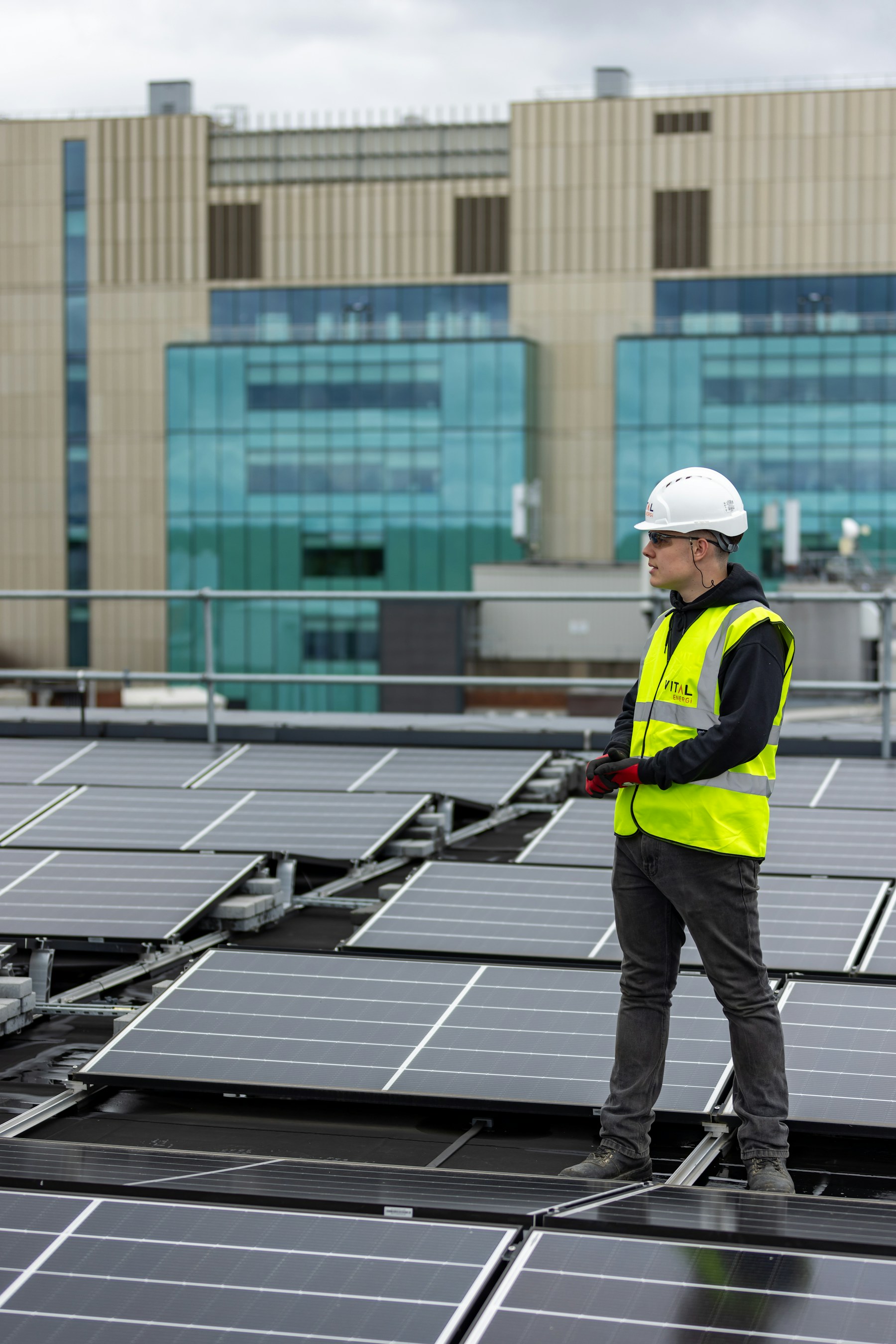
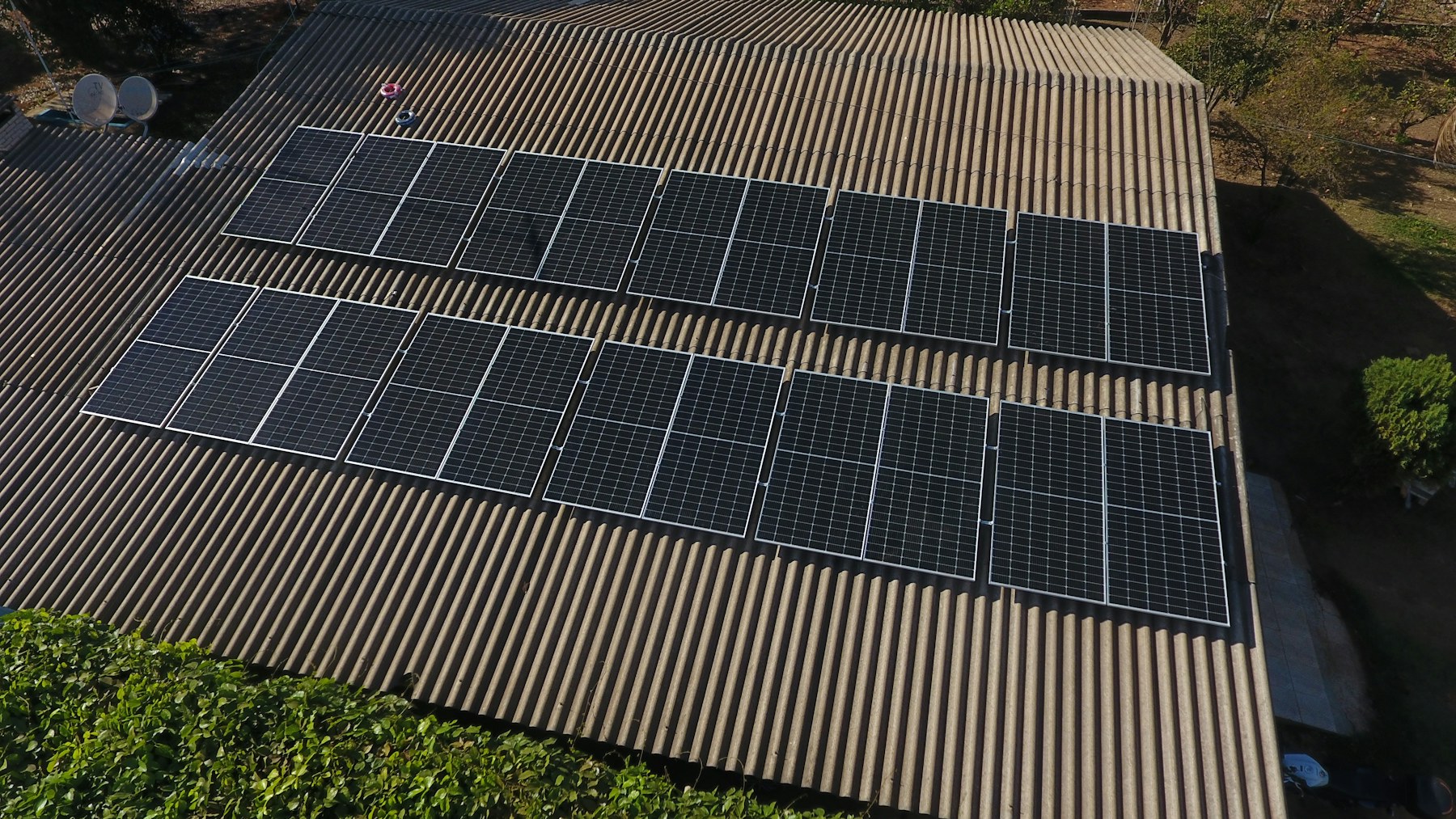

Upfront Cost Is Holding Back Commercial Projects
Commercial renewable energy and equipment projects often require a substantial capital commitment. Even when the business case is strong, customers may postpone installation because they need to protect cash reserves or preserve existing bank facilities.
Businesses want the installation but cannot justify a large upfront payment
Capital budgets and approval cycles delay otherwise viable projects
Customers need to preserve working capital for day-to-day operations
Traditional bank borrowing may be slow or use an existing credit facility
Installers lose valuable commercial work when no funding option is available
Finance That Works as Hard as You Do
Rubix Finance gives you a professional, FCA-compliant finance platform to send to your customers — turning hesitation into a signed contract.
Asset finance options tailored to eligible commercial installations
Payments spread across an agreed term to support business cash flow
Funding routes for limited companies, partnerships, and eligible organisations
Support for solar PV, battery storage, EV charging, and other business assets
A straightforward application process supported by specialist finance partners
Clear, responsible finance information for both installer and business customer
B2B asset finance is different from consumer finance
If you offer asset finance only to eligible business customers, such as limited companies, you generally do not need FCA consumer-credit authorisation just to offer that B2B route. FCA authorisation and permissions may be needed for regulated consumer finance, so keep the two journeys separate and confirm your exact customer types, agreements, and activities before launch.
- B2B only: commercial asset finance for eligible business customers is generally outside regulated consumer credit.
- Consumer finance: finance offered to individuals, and some sole trader or partnership arrangements, can be regulated.
- Offering both: use the correct permissions, disclosures, and application process for each customer journey.
Estimate Your Monthly Payments
Enter the value of the goods, an illustrative APR, and a term from 2 to 10 years to see an estimated monthly repayment.
Estimated monthly payment
£1,035.49
over 60 monthly payments
Amount financed
£50,000.00
Total cost incl. deposit
£62,129.57
Total interest
£12,129.57
This is an illustrative estimate, not a finance offer or quote. The deposit is deducted from the goods value before the monthly repayment is estimated. The calculation assumes equal monthly payments with no additional fees, balloon payment, or VAT treatment. Actual rates, terms, and payments depend on the applicant and lender and are subject to status and approval.
The Installer Advantage
Everything designed to help you sell more, stress less, and grow your installation business.
Win Larger Commercial Projects
Give business customers another way to proceed when capital expenditure would otherwise delay the installation.
Preserve Working Capital
Spreading the cost can help a business retain cash for stock, payroll, growth, and other operational priorities.
Structured Application Support
We help installers and their commercial customers understand the information required and progress suitable applications efficiently.
Responsible Finance Process
Rubix Finance works with specialist finance providers and presents funding options clearly, with all applications subject to status and approval.
Common Questions
Everything you need to know before getting started.
1What types of commercial installations can be considered for asset finance?
Asset finance may be available for eligible business installations including commercial solar PV, battery storage, workplace EV charging, and other qualifying equipment or energy assets. Availability depends on the asset, supplier, customer, and finance provider.
2Who can apply for commercial asset finance?
Applications may be considered from eligible UK limited companies, partnerships, sole traders, and other organisations. The finance provider will assess the business, its trading history, the proposed asset, and affordability.
3How does asset finance help a business manage cash flow?
Instead of paying the full installation cost upfront, an approved business can spread payments over an agreed term. This can preserve working capital for normal operations and other investment priorities.
4Does the business own the asset?
Ownership depends on the finance product selected. Some agreements transfer ownership after all payments and any applicable final fee are made, while others use a lease structure. The exact terms are explained before the customer signs.
5How much can a business borrow and for how long?
Funding amounts and terms vary by provider, customer profile, and asset type. Rubix Finance will help identify suitable options, but every application is subject to status, affordability checks, and the finance provider's approval.
6Can installers offer both consumer finance and commercial asset finance?
Yes. Installers serving households and businesses can use the appropriate funding route for each customer. Consumer credit and commercial asset finance are different products, so the correct process and disclosures must be used for every application.
7Do installers need FCA authorisation to offer B2B asset finance?
Eligible B2B asset finance is generally outside regulated consumer credit, so an installer offering this route only to eligible business customers typically does not need FCA consumer-credit authorisation just to offer it. Consumer finance is different: finance for individuals, and some sole trader or partnership arrangements, can be regulated. Installers offering both routes should confirm their exact model and use the correct permissions and disclosures.
Finance Solutions
Rubix Finance supports the full range of green technology installations — not just one.

Solar Finance
Finance solutions for residential and commercial solar PV installations.

Battery Storage Finance
Help customers fund standalone or solar-bundled battery storage systems.

EV Charger Finance
Finance for domestic, workplace, and commercial EV charging projects.
See What Solar Could Save Your Customer
Choose an indicative commercial solar system, estimate how much power the business will use on site, add optional battery storage, and enter its daytime electricity rate.
- 1Choose an approximate system size
- 2Estimate the power used by the business
- 3Add optional battery storage
- 4Review the indicative bill savings
Uses spare annual battery capacity to offset daytime electricity.
Select a battery size to enable off-peak charging.
Indicative savings
£13,260
estimated in year one
£312,352
estimated over 25 years
Estimated generation
63,750 kWh/year
Directly used on site
51,000 kWh/year
Shifted through battery
0 kWh/year
System size
75 kWp
Illustrative estimate only, not a savings guarantee or finance quote. Assumes 500W panels, annual generation of 850 kWh per kWp, the selected direct on-site usage, a fixed electricity rate, and 0.5% annual panel degradation. Battery estimates assume up to 250 cycles per year and 90% round-trip efficiency, first using available excess solar. When enabled, off-peak charging fills the remaining modelled annual battery throughput; its purchase cost, including charging losses, is deducted from avoided daytime cost. It excludes export income, battery or solar purchase costs, standing charges, maintenance, downtime, finance costs, tax, VAT, shading, orientation, load-profile and tariff-window constraints, and site-specific performance.